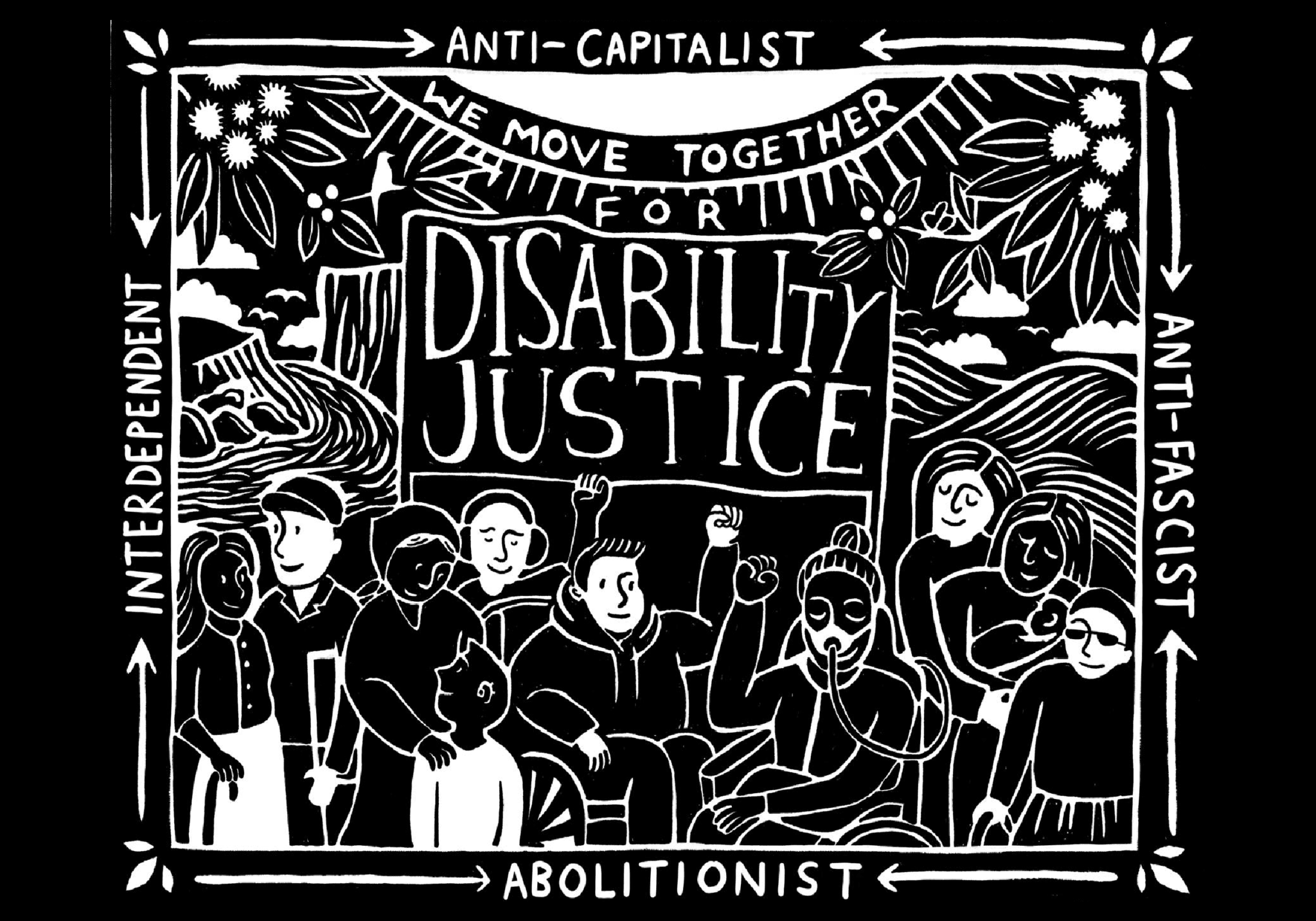
Integrating Disability Justice into your Clinical Practice: Collective Access & Collective Health
with Mamta Banu Dadlani, PhD
Every single person alive has or will have an experience with (dis)ability, and yet the psychological impacts of different kinds of ability as well as best practices around addressing the related mental health issues shaped by internal, interpersonal, and structural impacts are woefully undertheorized and underdeveloped.
This workshop will introduce participants to foundational, integrative, and flexible ways to formulate dis/ability as related to both the individual and the built environment and to query formulations of disability beyond permanent disability related to age, intellect, and physical functioning. It will also allow participants to explore why the field and why they as providers have under addressed this vital influence on mental health.
After these definitional frameworks and field analyses are explored collectively, participants will link their evolving understanding of disability to clinical practice. First, the presenter will briefly outline a case, offer a review of intake and treatment planning considerations, and share sample documentation that integrates disability concerns. Next, participants will move into small groups to discuss a case example with attention to defining disability, identifying potential mental health impacts, naming treatment goals and interventions shaped by a consideration of disability, and reflecting on how their own biases and experience with disability space their clinical engagement. Finally, participants will work in pairs to consult on a current case where considerations of disability would improve treatment processes and outcomes. The workshop will close with a sharing of critical clinical lessons learned.
Enrollment Details
Saturday December 12, 2026
10am - 1pm Pacific Time
$180-250
Minimum of 10 participants
3 CE credits at the Introductory Level
No partial CE credit is available. You must be present for the duration of the program for credit to be awarded.
CE credits are awarded via APA certification. Please double check to ensure these credits are acceptable to your state licensing body.

Together, we will
-
Describe disability utilizing a disability justice framework
-
Analyze barriers to addressing disability in clinical practice
-
Discuss the impacts of disability on clinical practice with attention to intake, treatment goals, and interventions
-
Compile 2 actions steps to implement in your practice moving forward

Meet Mamta Dadlani, PhD
Mamta (she/her) is a licensed Clinical Psychologist who engages in clinical practice, consultation, training, and scholarship through a lens of critical social inquiry, social justice, and psychoanalytic thinking. As the founder and director of Samavaya Psychology, Mamta supports clients, fellow clinicians, academics, and organizations in addressing issues of justice and liberation in their work.
Mamta has learned about disability justice by engaging in the work offered by Sins Invalid and disability justice leaders such as Patty Berne, Mia Mingus, Alice Wong, and others. Mamta holds disability justice as a way to understand collective liberation.
Samavaya Psychology is approved by the American Psychological Association to sponsor continuing education for psychologists.

 Samavaya Psychology maintains responsibility for this program and its content.

There is no conflict of interest or commercial support for any programs or instructors.

Please see this webpage’s FAQ for information about our attendance, refund, and cancellation policies.